
31 Mar AC Lifespan in San Antonio: How Long Should Your Unit Last?
If you’ve been wondering whether your system is on its last legs or has a few good years left, understanding AC lifespan is a smart place to start. Most central air conditioning units are built to last 15 to 20 years under normal conditions — but here in San Antonio, “normal” is relative. The heat, humidity, and near year-round runtime this climate demands can significantly shorten how long a unit holds up. Knowing what affects AC lifespan, and what you can do to protect it, can save you from an unexpected breakdown in the middle of a Texas summer.
Why San Antonio Is Harder on AC Units Than Most Cities
The national average for AC lifespan assumes a system runs roughly 1,000 to 1,200 hours per year. In San Antonio, that number can push well past 2,000 hours. From April through October, most households are running their AC almost continuously, and even winter months rarely give the system a true rest.
Add in the region’s humidity levels, which cause the evaporator coil to work harder to pull moisture from the air, and you have a recipe for accelerated wear. Dust, pollen, and debris from the Hill Country also clog filters and restrict airflow faster than in cooler, drier climates. The bottom line: a unit that might last 18 years in Minnesota could realistically start declining at 12 to 14 years here.
Average AC Lifespan by Unit Type
Not all systems age at the same rate. Here’s a general breakdown of what you can expect in the San Antonio climate:
- Central split systems: 12–16 years with regular maintenance
- Heat pumps: 10–15 years (they run year-round, so they wear faster)
- Package units: 12–15 years, though outdoor exposure accelerates wear
- Mini-splits: Up to 20 years when properly maintained
These ranges assume routine filter changes, annual tune-ups, and prompt attention to repairs. Skipping maintenance — even for a season or two — can take years off your system’s AC lifespan.
Signs Your Unit May Be Nearing the End
Age alone doesn’t always tell the whole story, but it’s a key factor. If your system is 12 years or older, it’s worth paying attention to these warning signs:
- Cooling performance is inconsistent or takes longer to reach your set temperature
- Your energy bills have climbed without a clear reason
- You’re calling for repairs more frequently, especially for the same components
- The system runs in short bursts (short-cycling) or runs constantly without catching up
- You’re noticing unusual sounds — grinding, banging, or persistent rattling
- Indoor humidity feels high even when the AC is running
One or two of these symptoms might point to a fixable issue. But if several are present on an older system, you’re likely looking at a unit approaching the end of its functional AC lifespan rather than a simple repair.
What You Can Do to Extend AC Lifespan
The single most effective thing you can do is stay consistent with maintenance. An annual tune-up — ideally before summer — lets a technician catch developing problems before they compound. Coil cleaning, refrigerant checks, electrical inspections, and drainage clearing all contribute to a longer, more efficient AC lifespan.
Beyond professional service, a few habits make a real difference day to day:
- Change your air filter every 1–2 months during peak season (more often if you have pets or allergies)
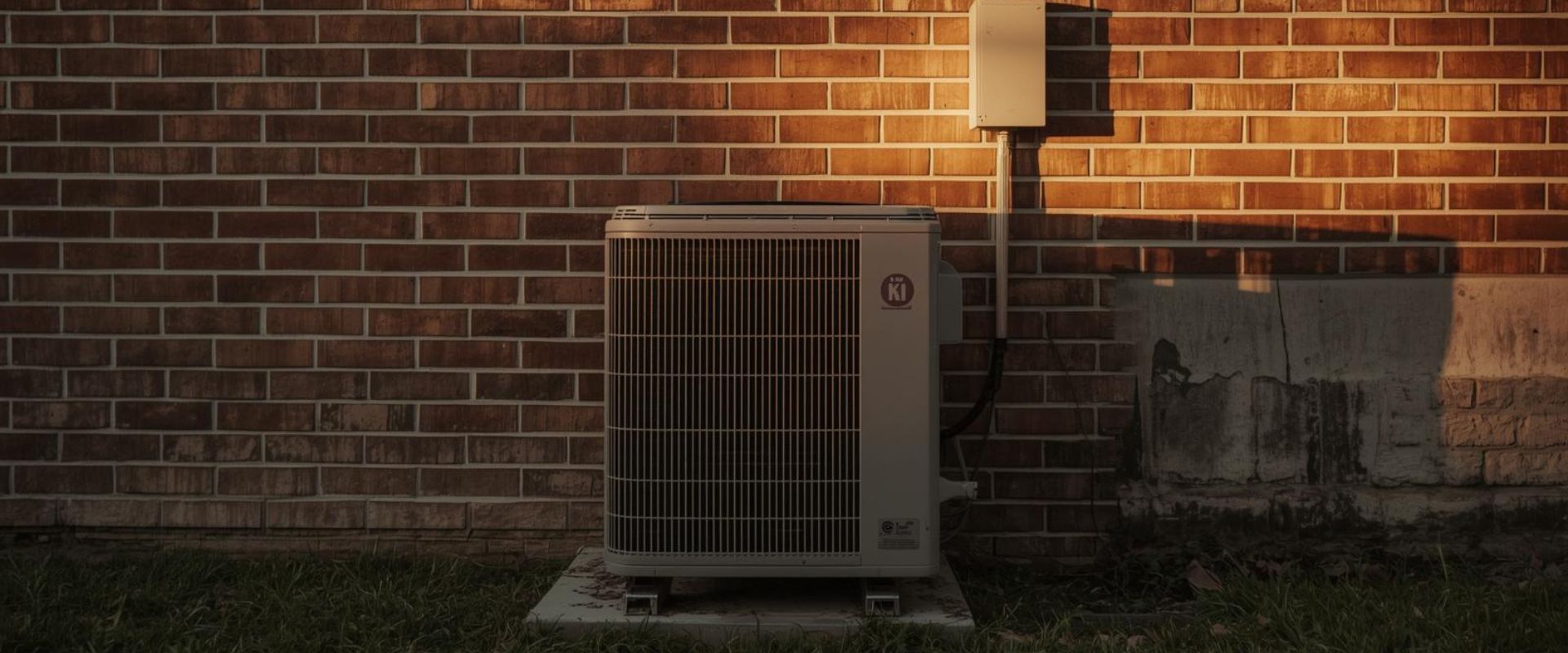
- Keep the area around your outdoor condenser unit clear of debris, plants, and obstructions
- Use a programmable or smart thermostat to avoid overworking the system during the hottest part of the day
- Make sure your home’s insulation is adequate — a poorly insulated attic forces your AC to run longer to compensate
Homeowners in areas like Alamo Ranch and Helotes tend to have newer builds with good insulation, which helps. Older homes in neighborhoods like Alamo Heights or Castle Hills may benefit from an insulation upgrade to take some of the pressure off the system.
Repair vs. Replace: How to Decide
When a repair comes up on an aging unit, a commonly used rule of thumb is the “5,000 rule”: multiply the repair cost by the age of the system. If the number exceeds $5,000, replacement is often the smarter financial move. For example, a $400 repair on a 15-year-old unit equals 6,000 — replacement makes sense. A $200 repair on an 8-year-old unit equals 1,600 — fix it.
It’s also worth factoring in efficiency. Older systems typically run at SEER ratings of 10–13. Today’s Energy Star-certified units start at SEER 15 and can reach SEER 20 or higher. The energy savings on a replacement unit can offset a meaningful portion of the installation cost over time, especially in a market with San Antonio’s electricity rates and cooling hours.
The U.S. Department of Energy also recommends replacing any system older than 10 years if efficiency has declined noticeably, even before a full breakdown occurs.
What to Expect When It’s Time for a New System
Replacing an AC in San Antonio is a significant investment, but it doesn’t have to be a stressful one. Modern installations are faster than many homeowners expect, and the right contractor will size the system correctly for your home’s square footage, ceiling height, and layout — not just match whatever was there before.
Proper sizing matters more than most people realize. An oversized unit will short-cycle, meaning it kicks on and off rapidly without completing a full cooling cycle. That reduces dehumidification, increases wear, and ultimately shortens AC lifespan all over again. An undersized unit will run constantly and never quite keep up. Getting the load calculation right from the start is one of the most important things a contractor can do for your system’s long-term performance.
The Air Conditioning Contractors of America (ACCA) sets the industry standard for proper load calculations through their Manual J methodology. Any reputable installer should be following it.
Scheduling Service with Gabe’s Priority AC
Whether your system needs a tune-up to squeeze out a few more years, or you’re ready to talk replacement options, Gabe’s Priority AC Service is here to give you a straight answer. We’ve been serving San Antonio homeowners and families across the surrounding communities for years, and we’re not in the business of recommending work that isn’t needed.
Our AC maintenance plans are designed to keep systems running efficiently through every San Antonio season — and to catch small issues before they turn into expensive ones. If it does turn out that replacement makes more sense, we’ll walk you through your options and back the work with our 365-Day, No-Risk Guarantee.
The best way to protect your AC lifespan is to stay ahead of it. Give us a call or schedule online, and we’ll take it from there.